 |
|
"In
recent years, it had been fashionable for art critics to couple the
word 'mere' with 'Illustration' in diminishing pictures that tell any
kind of story. And, since illustration is usually commissioned, it has
also viewed as impure, commercial art when contrasted with the nobler
motivation of the fine arts in which the artist is free to express his
innermost feelings.
This distinction, in applied consistently, would reject a Fra Angelico,
a Giotto or a Michelangelo, who made paintings of Biblical subjects on
a commission from wealthy patrons to the Church. To come closer to the
present, many American painters such as Winslow Homer, William Glakens
or Frederic Remington, whose works now command honored places in our
museums, contributed much of their life's output to illustration.
Certainly for them it was a valid form of art, and they gave the best
to it.
Most appropriate, to me, would be a distinction between good artists
and bad artists." |
|
—
Albert Dorne (1904-1965)
— |
|
"The Illustrator in America
1880-1980, A Century of Illustration", by Walt & Roger Reed, 'The
Society of Illustrators'. |
 |
 |

(period 1980-96) |
|
|
Picart began a successful art
career at the early age of eighteen when he started working as an
illustrator throughout Europe, mainly for Germany, Holland and the
Scandinavian countries. In 1985, Picart began his collaboration with a
commercial art
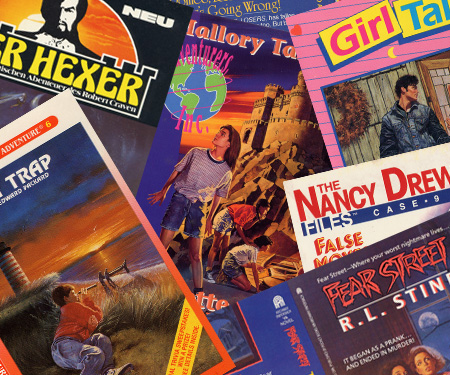
agency from New York, starting to develop a successful career in the American market. Picart won assignments
from the major publishing houses in US and Canada, such as Reader’s
Digest, Bantam Books, Dell Publishing, Harlequin, Pocket Books, Scholastic, among
others, doing book covers, promotional advertising, brochures and
interior illustrations, all in a representational mode with a fine art
treatment. He worked as well for
advertising agencies, graphic design firms and catalogue houses. Since 1996,
he no longer accepts illustration commissions; he
paints full time. Gabriel Picart signed his
illustration works 'Gabriel'.
|
|
|
 |
 |
|
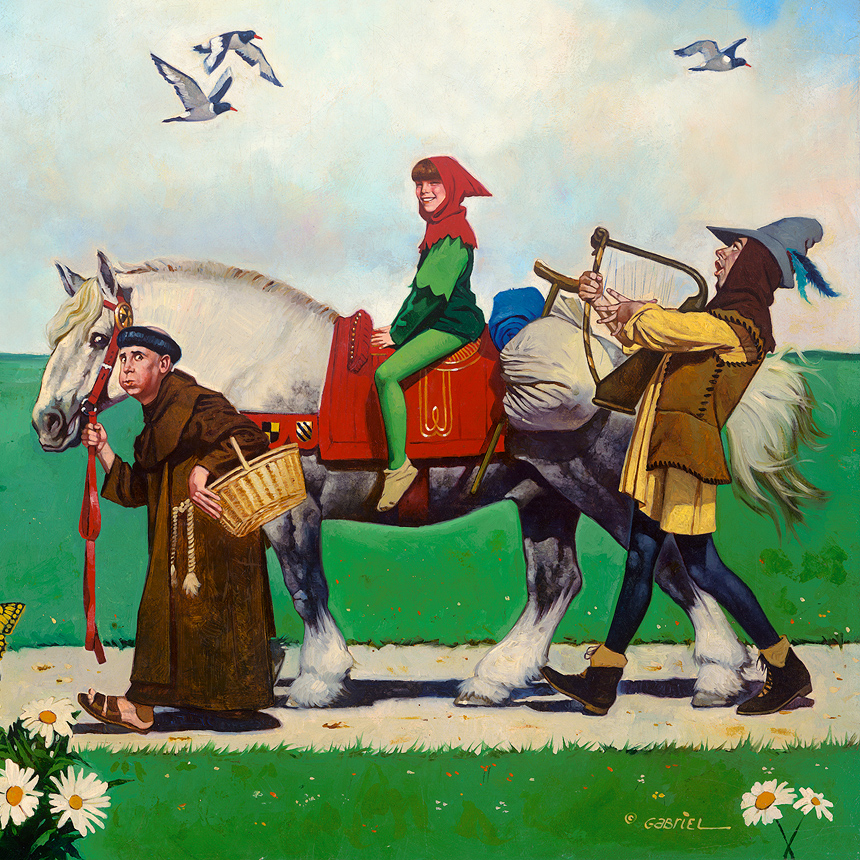
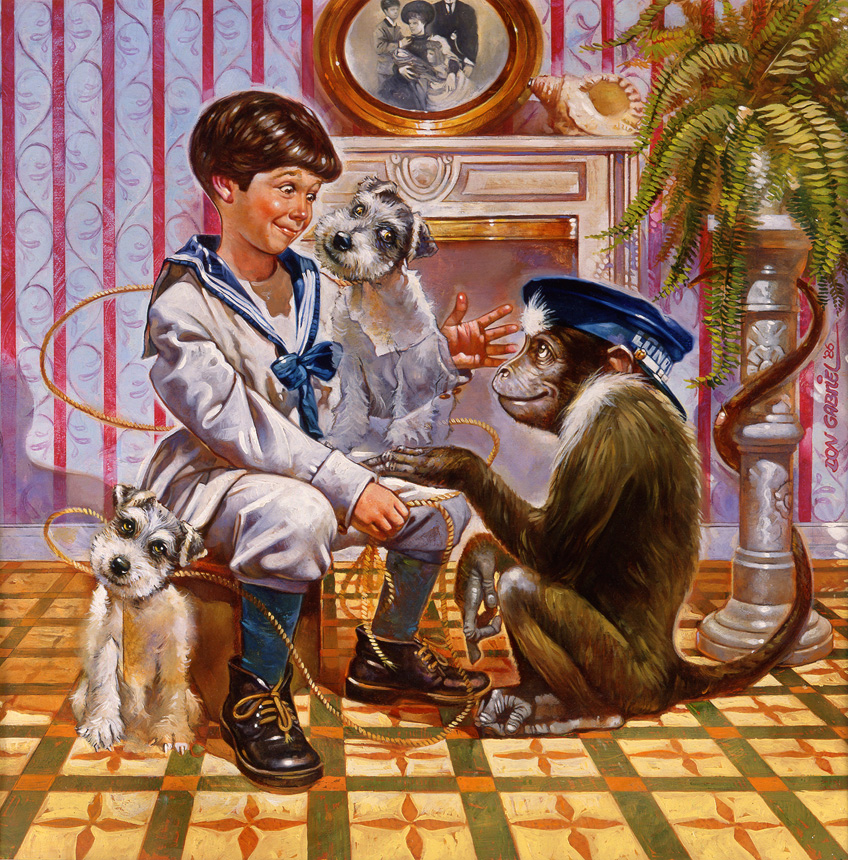
"Friend
Monkey"(1986) Dell Publishing. Oil on canvas, 18 x 18 in
/ 46 x 46 cms. |
|
First commissioned cover ever for the US market. Author Pamela Lyndon Travers
her own, popularly remembered for her sequence of novels about
Mary Poppins, sent
Picart a bunch of pictures to be used as
reference for the monkey charcacter. |
|
|
|
|
 |
 |
|
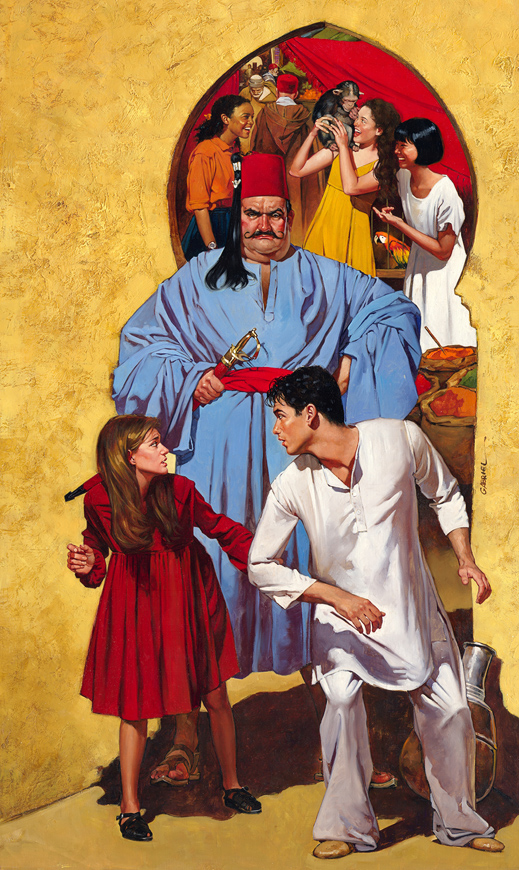
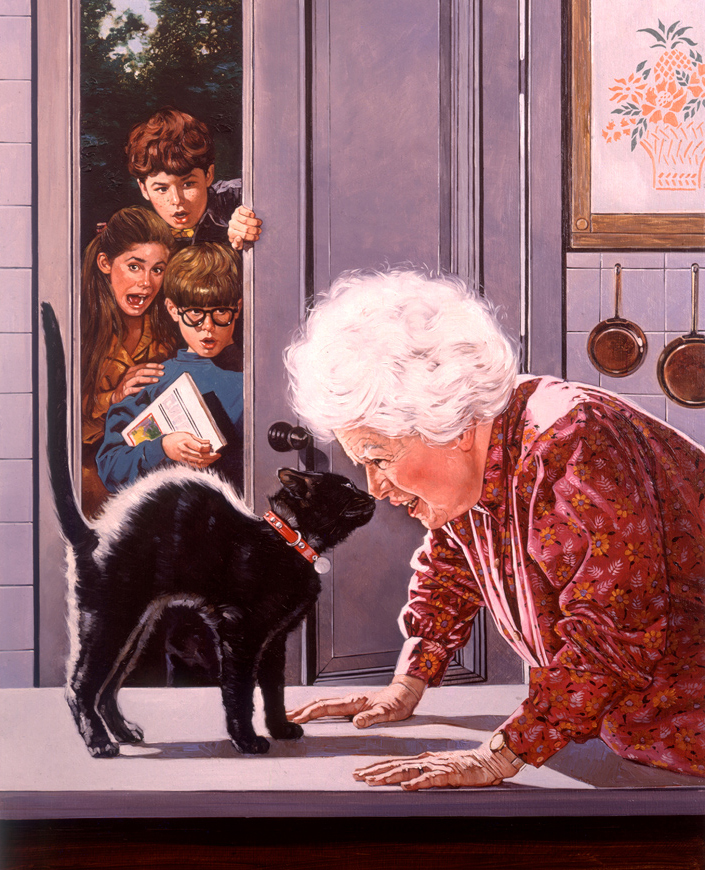
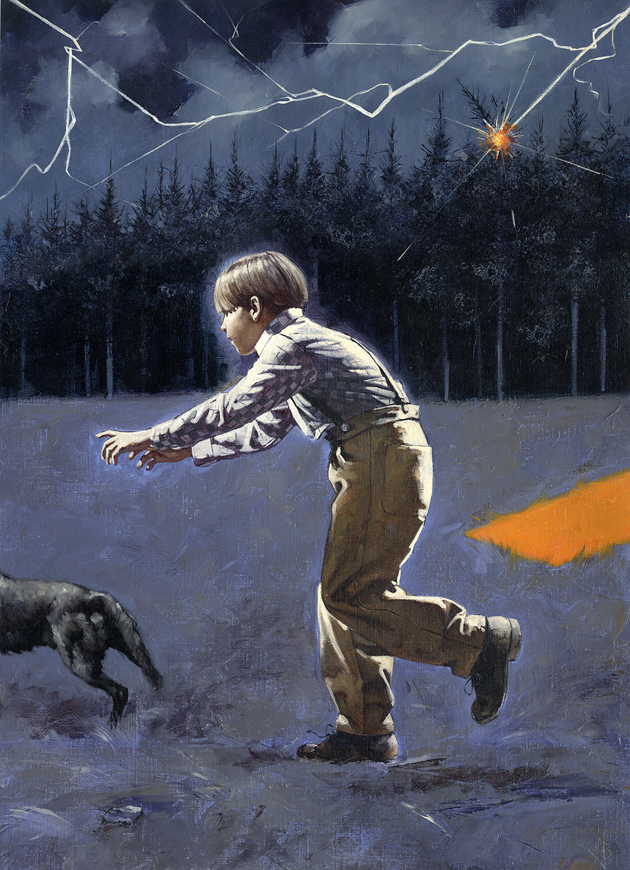
"The
Door in the Wall"(detail, 1990) Dell Publishing.
Oil on canvas, 24 x 32 in / 61 x 81 cms. |
|
"Unusually beautiful
illustrations, full of authentic detail…" - the
New York Times' review on "The
Door in the Wall", A Dell / Yearling Book (1990). |
|
|
|
|
 |
 |
|
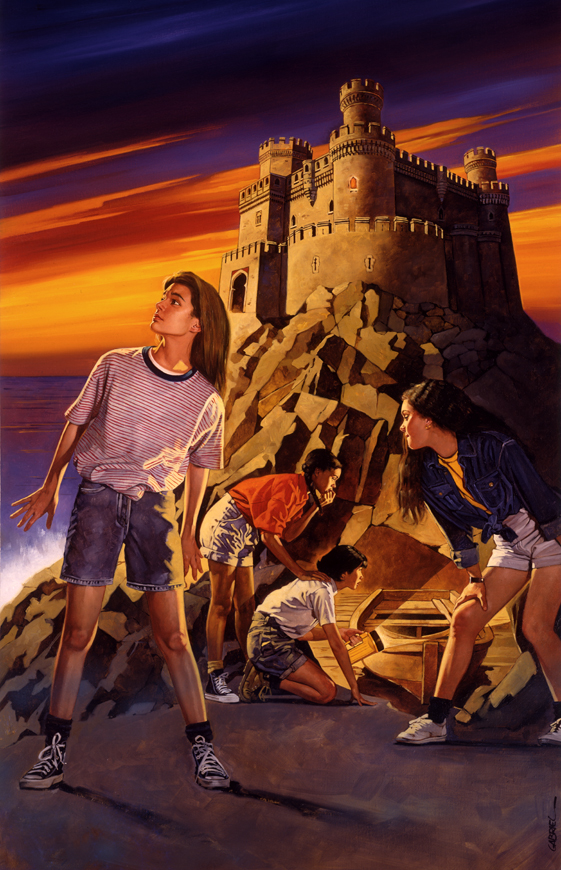
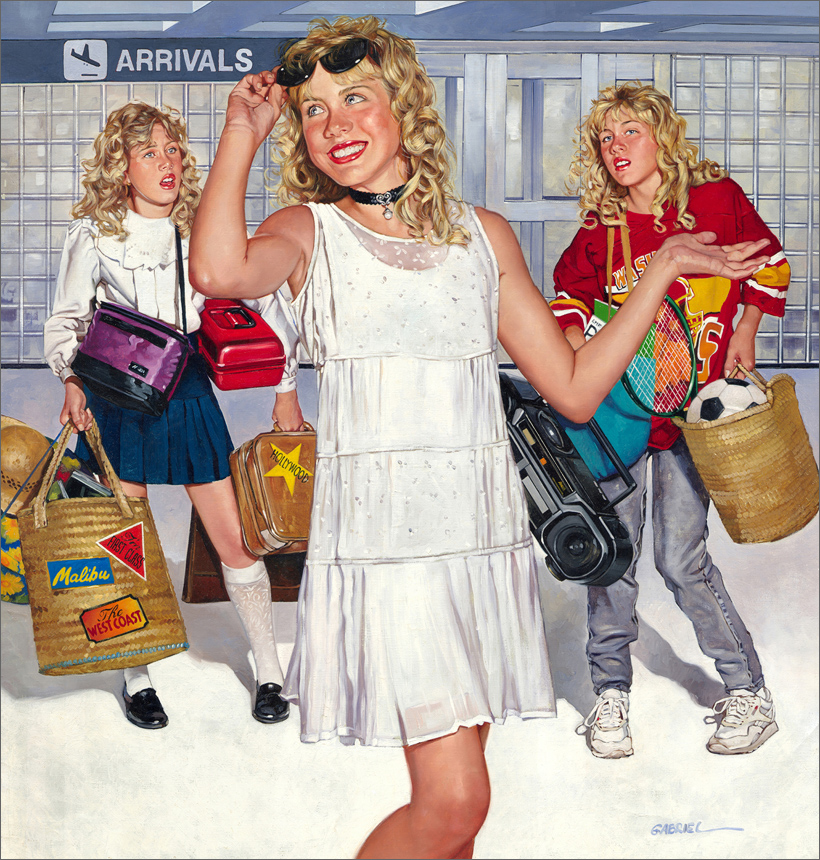
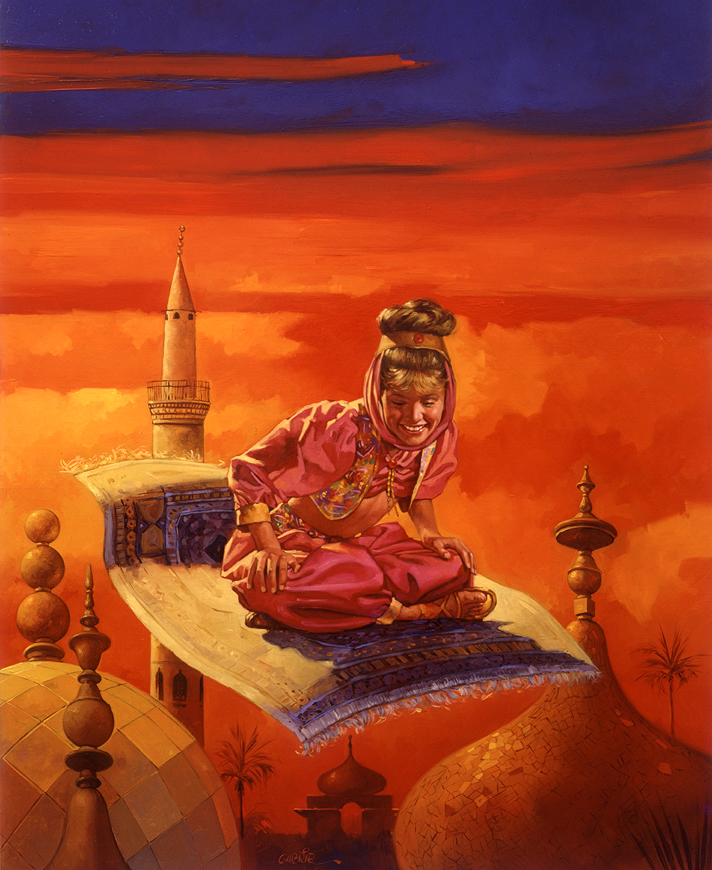
"Alison
of Arabia"(1996) Magic Attic Press.
Oil on
panel, 27 x 20 in /68 x 51 cms. |
|
|
|
|
 |
 |
|
"Storming"(detail) Historical Illustration for a
'Reader's Digest' brochure. Oil on canvas. |
|
|
|
|
 |
 |
|
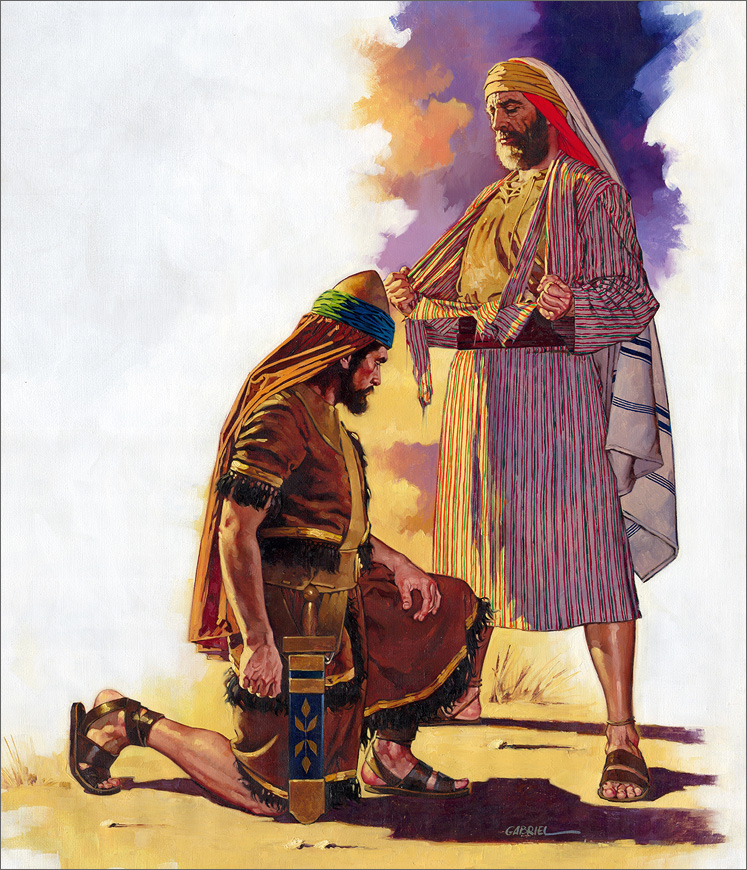
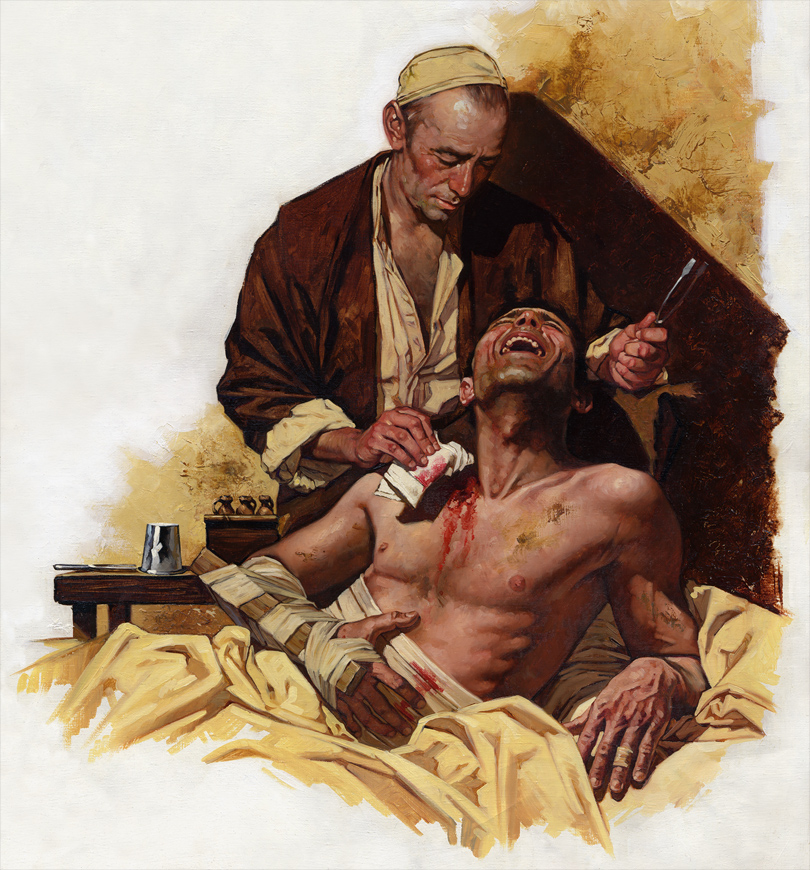
"Jeroboam / Who's Who in the Bible"(1994).
Reader’s Digest. Oil on canvas, 30 x 21 in / 76,2 x 53 cms. |
|
In this interior illustration, the
prophet Ahijah rips his garment to foretell Jeroboam’s rise to power over
the ten northern tribes of Israel.
"I particularly liked
illustrating historical subjects, because they involve a very
interesting
documentation research."
— GP |
|
|
|
|
 |
 |
|
"Sir Galahad"
Oil on canvas,
36 x 26 in / 92 x 66
cms. |
|
|
|
|
 |
 |
|
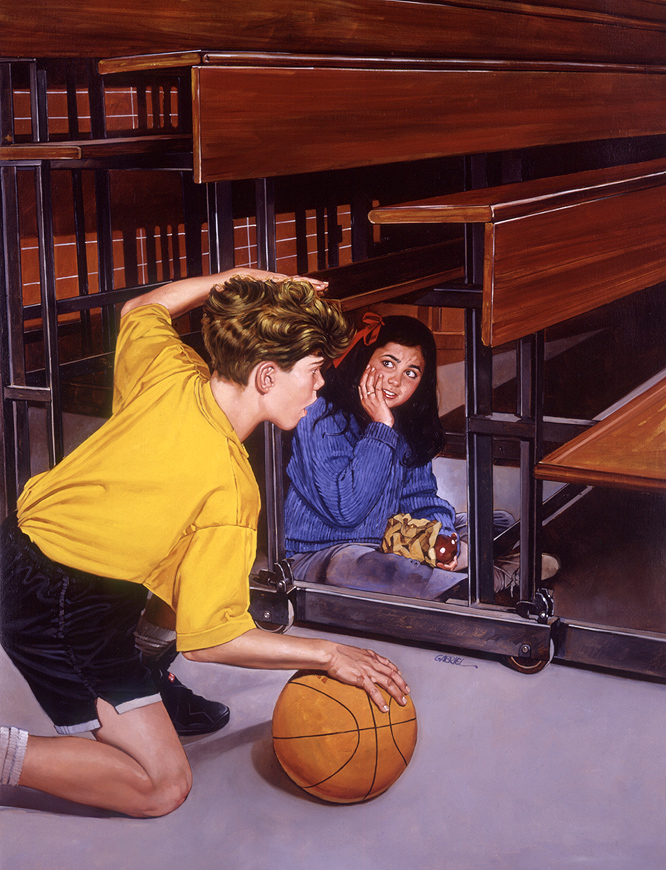
"The
Problems Grow". Oil on canvas, 39.3
x 25
in / 100 x 63,5 cms. |
|
|
|
|
 |
 |
|
"Adventures
Inc."(detail) Tarcher. Oil on
canvas, 36.2 x 22 in / 92 x 53 cms. |
|
|
|
|
 |
 |
|
"Thirsty Friend"(1996) Oil on panel. |
|
|
|
|
 |
 |
|
"Venetian Carnival" (2006)*. Oil
on panel, 36" x 27" / 91,5 x 68,5 cms.
[
ZOOM ] |
|
*
"This
painting was a request by gallery owner Allan Fingerhut,
and it
certainly tells a story (as all genre paintings do, in
fact). Therefore, it is another excellent sample of what an
illustration work of mine is, but much closer to the present
time than the others shown in this page."
— GP |
|
|
|
|
|
|
|
 |
 |
|