|
"Ancient Egyptians used the same word 'SESH' to describe Paint and Write, as both were for them the same thing: communication. This is true for me too."

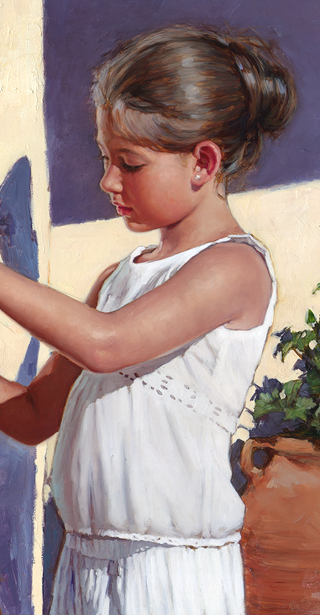
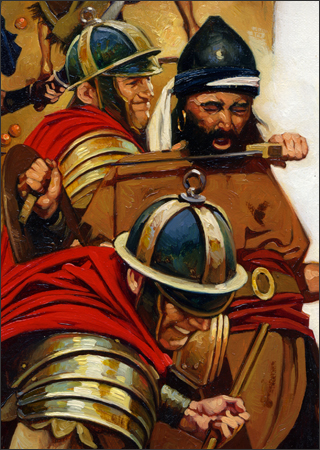
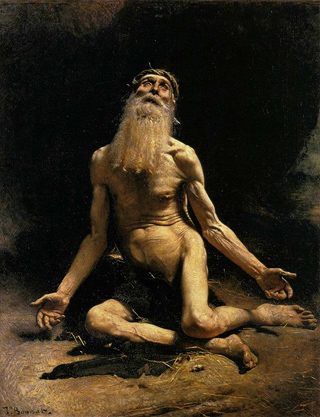
"Although my paintings in general, and my still-lifes in particular, may look hyper-realistic when viewed in small sizes on a screen, or from some distance away in the flesh, my pictorial style is Realism. I consider myself a Classical Realist painter with love for detail, I work realistically though not photographically. I like to leave my brush strokes visible and the imitation of reality is only apparent. This is where the true magic in painting is to be found for me."
"As so many others, I started my art career as illustrator, although I worked exclusively with oil paints. In
Commercial Art, other faster and easier mediums and techniques were commonly used, as the final purpose of the artworks was to be printed at a much smaller size, and not their public exhibition. However, I always had the goal in mind of parlaying this technical acumen into the painting of fine art."
"Illustration Art is a valid form of art. In Art History, the
best artworks have been made on commission, whether from wealthy
patrons to the Church. In the last Century, great figurative art
was made for publishing companies, just as some of the best descriptive music has been created for movie soundtracks.
In times of contempt for representational art by art critics and museums,
Commercial Art has been a safe heaven for those artists in love
with it, like myself. "
"Of special interest to me is the Painting Art scene which took place from the mid-nineteenth century to the beginning of the last one. I am thinking of painters such as Alma-Tadema, Bonnat, Carolus-Duran, Lord Leighton, Gérôme, Bougeureau, Sargent, Fortuny, Waterhouse, Cabanel,
and many others who were part of it. It is unfortunate that this group has been
somewhat overlooked by critics and historians in favor of the Impressionist
movement. But one thing for certain about the artists named above: in the
technique of drawing and painting they were second to none. I consider myself
within their tradition."
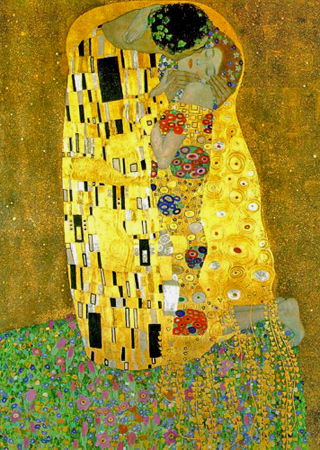
"Of all the painters from the beginning of the last century, one of those who most drawns my attention is Gustav Klimt, for his masterful eclecticism. Klimt's art achieved both individuality and extreme elegance by blending representational figures, main focus of his paintings, with abstract compositions that preceded Kandinsky's abstraction in the time. Abstract compositions that remind me so much of the abstract mosaics by architect Jujol in the Park Güell, and which give Klimt's paintings a very familiar look to me."
"The difficulty of Mozart's
interpretation is that his music is absolutely transparent, and
any small mistake in the execution is easily detectable. Just
the same happens with the making of realistic paintings, as they
are absolutely transparent to the viewer too. Thus, when they involve human figure, my favorite subject and the most difficult challenge that painting has to offer, the road to success becomes very demanding."
"I am studio painter. My paintings are too laborious to be executed en plein aire. Natural light changes very quickly and it is impossible to work on the same painting for a sustained period of time. Besides, there is an added benefit: by working in my studio: I free my imagination and I allow my personal impressions and memories to suffuse, and this way idealize the subject matter."
"The line, or drawing, is the main pillar that supports all my pictorial work. This is its 'architecture' or composition if you will. I like to use strong, almost primary colors, but I do not intend that they dominate the picture. I love the addition of very thick impastos whenever possible, but only when possible, otherwise they become a cheap trick used to fool the public into thinking a picture is important. Too much paint in fact can cheat one of the most important qualities of oils: its transparency."
"Canvas is an excellent support for oils and I certainly use it oftenly, but I like it more to paint on panel instead. Painting on wood has a long and venerable tradition, much older than painting on canvas. Panel allows me to make more preliminary work and always look flat and stiff, instead of canvas that must be strengthened regularly."
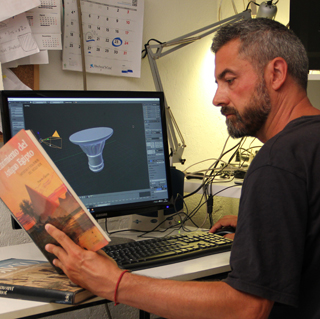
"The making of tridimensional mockups to be used as references has been a common thing to do among painters of all times. But nowadays, we artists can benefit from the new 3D sculpting and rendering technologies instead. I am convinced, Renaissance artists would dive into them, same way they became enthusiastically involved in the discoverings of their times."
"Taking benefit from all the tools that a 21st Century artist has got at his disposal, from the most innovative 3D sculpting to the oldest traditional painting technique, is the way to go. I love to unify past and present in the making of my works of art."
"To my opinion, there is great parallelism in between so-called Contemporary Art and the current financial system, a parallel that is not by chance. During the last century there was the demise of the gold standard, which is a tangible and objectively assessable value (by its weight), and its replacement by 'fiat money' (money by decree), of no intrinsic value and solely based in the trust of society in the issuer; therefore, a form of fiduciary money (based on faith). At the same time, there was in the art world a disqualification of all art that is objectively evaluable (technical execution, composition ...), while promoting ad nauseam (and almost by decree as well) another kind of art equally based on faith alone: on the public's trust in the reviews of the art critics who support it, and / or in the name of the artist. I call it 'Fiart'."
"In between meaningful art statements and fully nonsensical ones, there is a thin line that many cross blithely."
 |